当社の優れた製品

  • 構造化された梱包
  • ランダム梱包
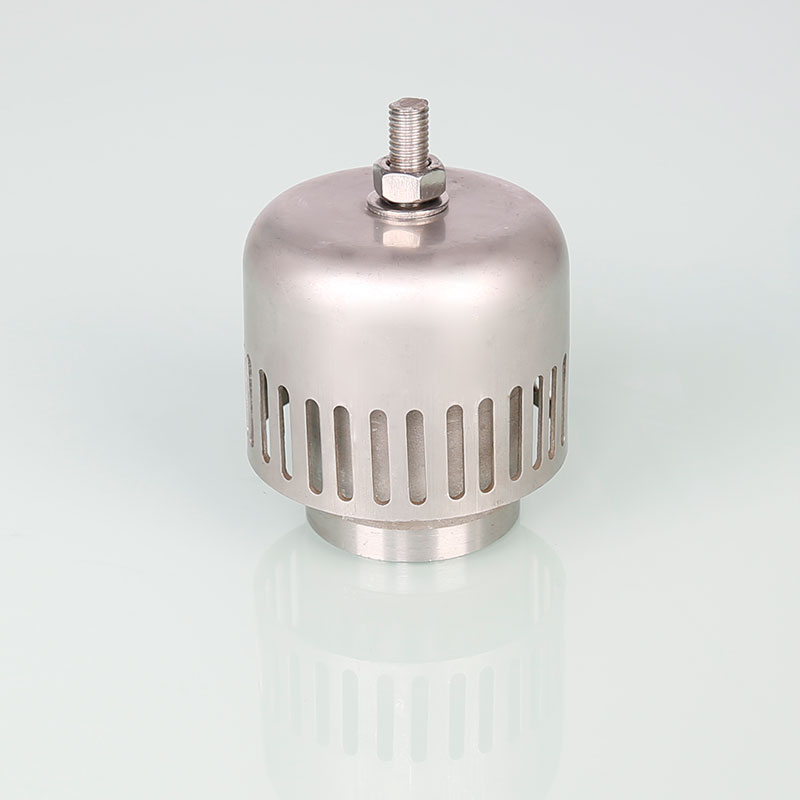
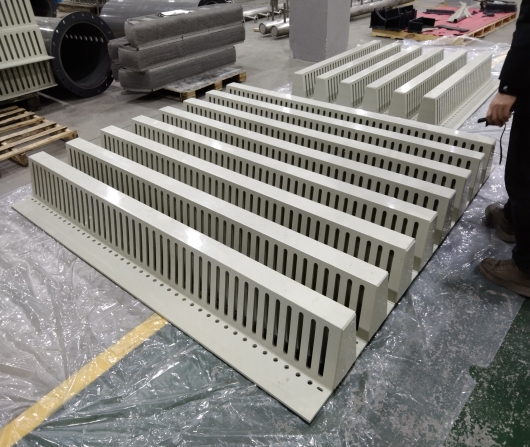
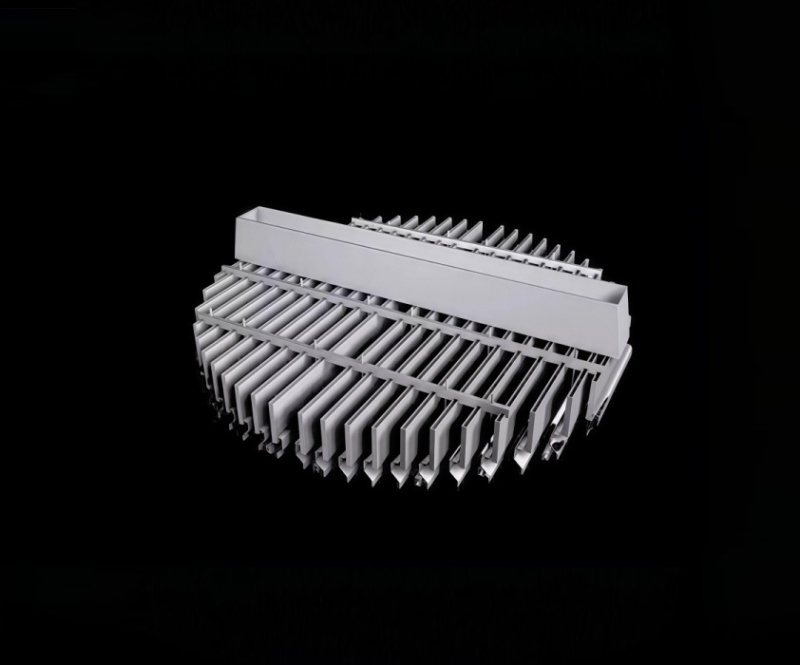
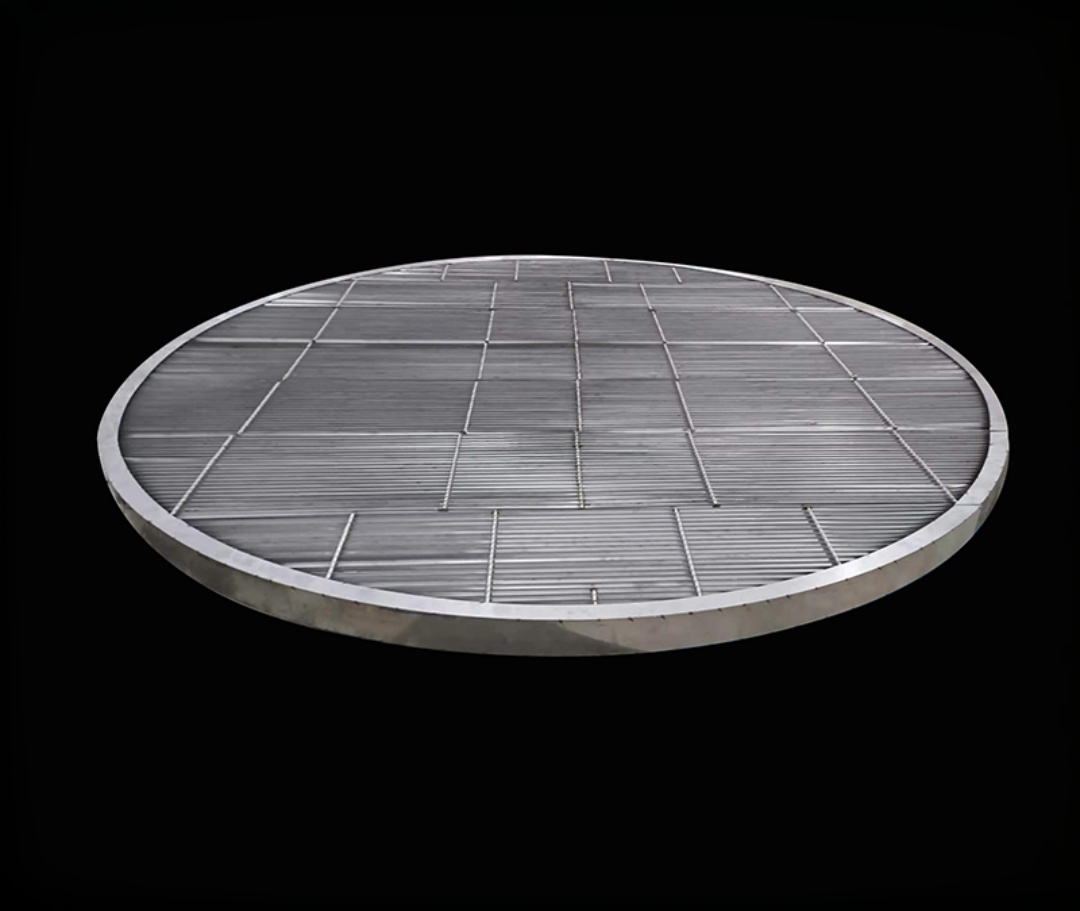
  • タワーの内部構造
  • その他
構造化された梱包
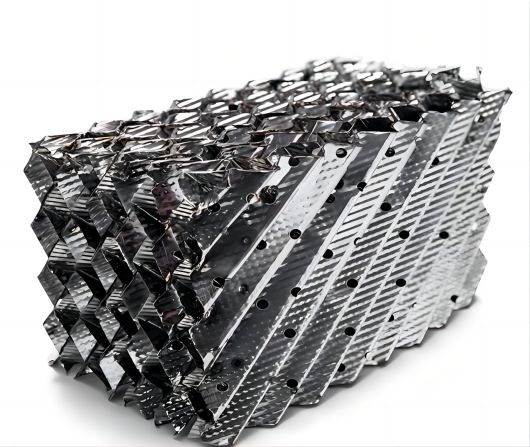
metal structured packing random packing
金属構造のパフォーマンスタワーパッキング
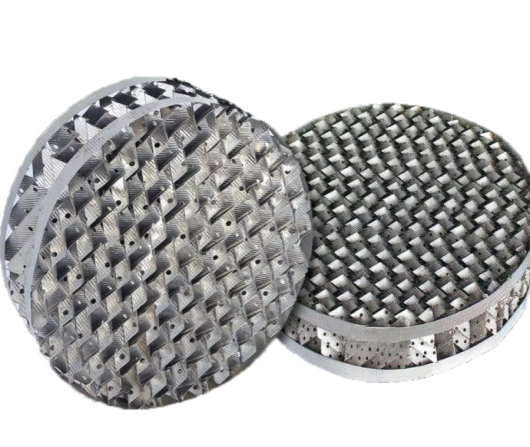
構造化された梱包 塔内の均一な形状に従って配置および積み重ねられた一種のパッキンです。塔全体の断面の形状は規則的、対称的、均一であり、気液流路が特定されており、チャネルの流れと壁の現象を軽減します。同じエネルギーコストと圧力損失の下で、ランダム充填よりも高い比表面積を提供し、同じ体積でより高い物質移動と熱伝達効率を達成できます。ここ数十年の間、 構造化されたパッキング ファインケミカル産業、香水産業、石油精製、肥料、石油化学産業およびその他の分野の多くの塔で広く使用されています。構造化パッキング 2 つの異なる傾斜角度で利用可能です。 X型とY型。Y型パッキンは水平軸からの傾斜角度が約45度で最も広く使用されています。X型パッキンは水平軸からの傾斜角が30度で高容量、高容量の用途に使用されます。低圧力損失アプリケーション。
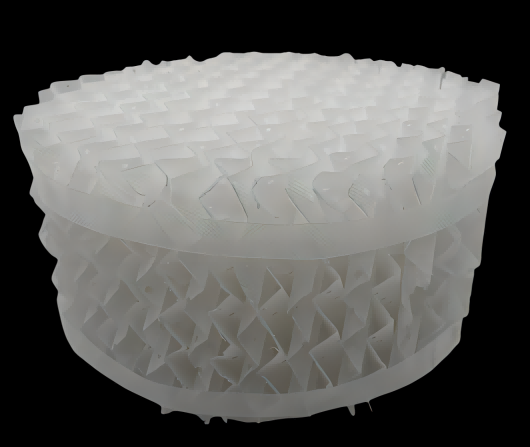
Plastic perforated structured packing
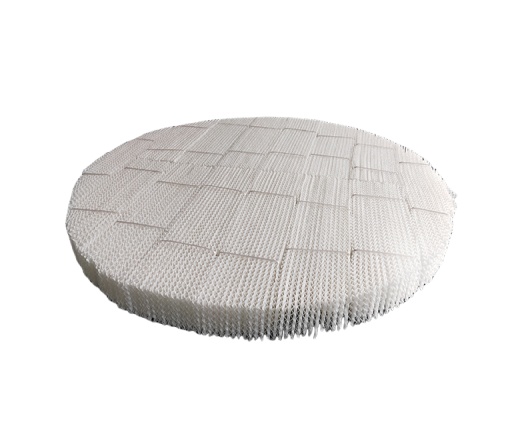
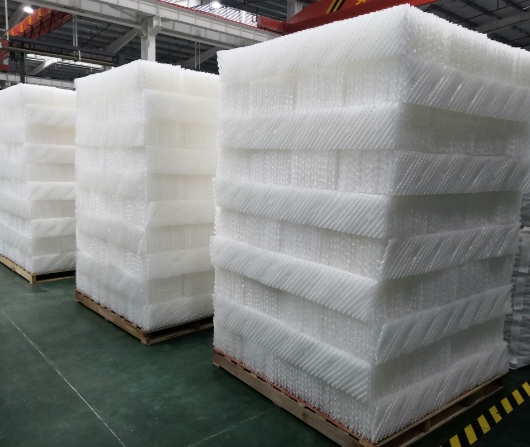
プラスチック波板梱包タワー梱包
Metal Melrapak が開発されて以来、市場に受け入れられています。科学者が発見 金属波板パッキン どのメディアの要件にも適していませんでした (酸)。さらに、産業分野で広く使用することは非常に困難です。その後、 プラスチック 波板パッキン うまれた。金属波板パックとの比較大きな流束、低い圧力損失、大きな表面積などを備えています。 
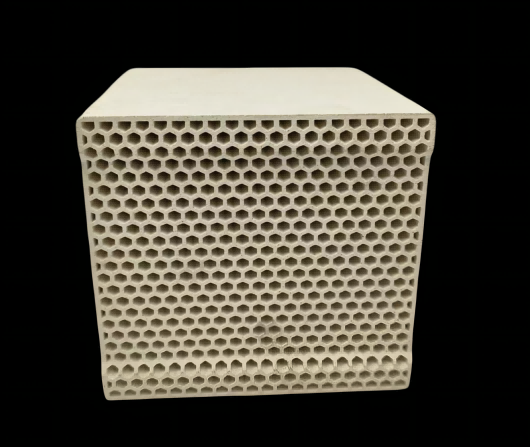
ceramic honeycomb high efficiency gas purification
ハニカムゼオライトモレキュラーシーブ高効率廃ガス浄化
現在、VOCs処理には主に活性炭が使用されています。活性炭は高温では分析できないため、定期的に交換します。しかし、有機物を吸着した活性炭は処理コストが高く危険な化学物質です。この環境に優しい吸着材は疎水性モレキュラーシーブであり、通常のモレキュラーシーブとは異なり、ガス中の水分を優先的に吸着します。有機物に対する選択性の高い吸着能力を有し、高温での分解が可能で連続的な吸着再生を実現します。吸着材は特殊な調製プロセスによりセル状構造とされています。有機物の吸着能力は2%以上あり、長期間吸着再生が可能です。 ハニカムモレキュラーシーブadopt吸着システムにより排気ガス濃度と空気量を低減し、同時に触媒燃焼技術と連携して運転コストを削減します。  
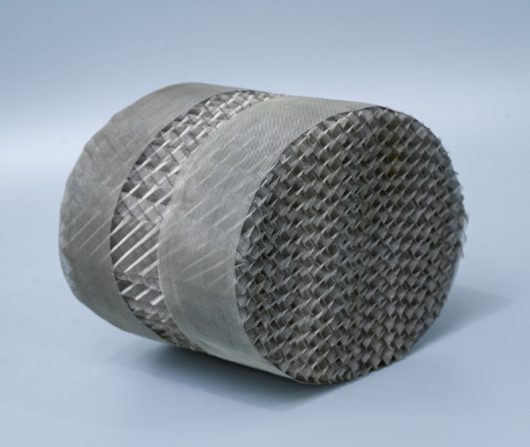
wire mesh structured packing
金網構造梱包タワー梱包
金網構造パッキン 高い比表面積を持っています。同時に、独特の毛細管効果により、 メッシュ。パッキン表面の濡れ性が良くなります。そのため、分離効率が高いのです。他のパッキンと比べて、 圧力損失が低く、液体の保持が少ないため、分離が困難で熱に弱い材料に特に適しています。 システム。金網パッキンの主な材質は、ステンレス、銅、アルミニウム、鉄、ニッケルなどです。  
plastic structured packing
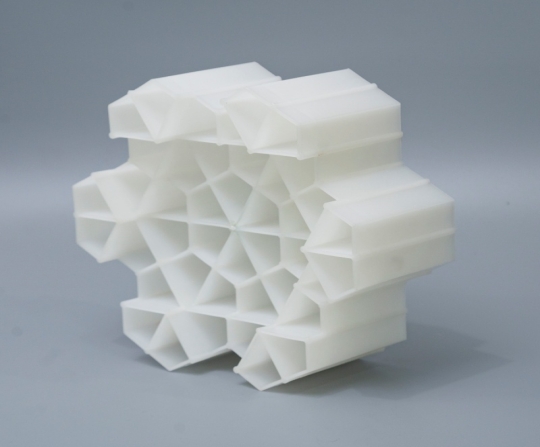
ハニカム形状のプラスチックサポートブロック
ハニカム形状のプラスチックサポートブロック 合成プラスチック射出成形で作られています。式は以下に応じて調整できます 最良の効果を達成するために、さまざまな作業条件に対応します。一般的に使用されている軽量セラミックパッキンを完全に置き換えます。 前に。当社が開発したハニカム形状のプラスチックサポートブロックは比表面積が大きく、繰り返し使用可能です。 通気性が高く、その効果は軽量磁器の2倍です。特にメンテナンスの過程では、 軽量セラミックパックは固形廃棄物となり、処理が困難です。ただし、ハニカム形状のプラスチック製サポートブロックも使用できます。 再生可能な資源として再利用され、環境保護とエネルギーの節約になります。長期にわたるコーキング試験を経て 脱硫塔。ハニカム形状のプラスチックサポートブロックは強力な抗ブロッキング能力と優れた性能を持っていることが証明されています。 分離・浄化効果。        
pph perforated structured packing
PPH波板梱包タワー梱包
Metal Melrapak が開発されて以来、市場に受け入れられています。科学者が発見 金属波板パッキン どの媒体の要件にも適していませんでした (酸)。さらに、産業分野で広く使用することは非常に困難です。その後、 プラスチック 波板パッキン が生まれました。金属波板パックとの比較大きな流束、低い圧力損失、大きな表面積などを備えています。 
252Y structured packing manufacturers
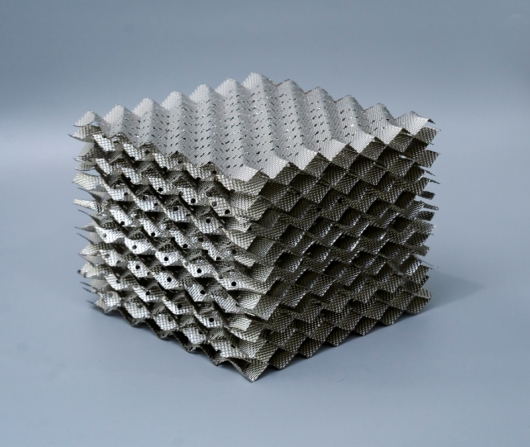
タイプ 252Y 構造化梱包用ステンレス鋼穴あき波板
幾何学的構造により、大きな比表面積が得られます。スクリーンの毛細管機能により、表面積の濡れ性も向上します。充填時、上下の包装トレイが90°交差するため、高効率、減圧、大流量という利点があります。減圧蒸留、常圧蒸留、分離が難しい物質や熱に弱い物質の吸収プロセスに使用されます。  
copper structured packing column
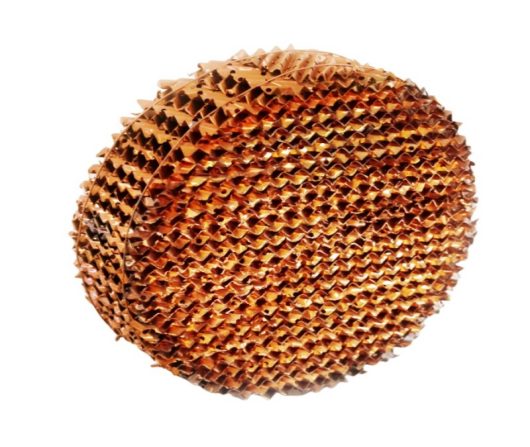
銅金属オリフィスプレート波形パッキン
それは、穴あきエンボス加工された金属または金網の波形シートから形成されます。その結果、傾斜した流路を備えた非常にオープンなハニカム構造が得られ、表面積は比較的大きくなりますが、ガスの流れに対する抵抗は非常に低くなります。表面の強化は、液体の広がりを最大化するように選択されています。これらの特性は、低圧および低灌水量の用途でパフォーマンスに大きな利点を示す傾向があります。金属構造パッキンは、さまざまな圧着高度によって幅広いサイズで製造されています。梱包表面積は、50 m²/m³ (最低効率、最高容量) から 750 m²/m³ (最高効率、最低容量) の範囲です。
ランダム梱包
metal tower packing
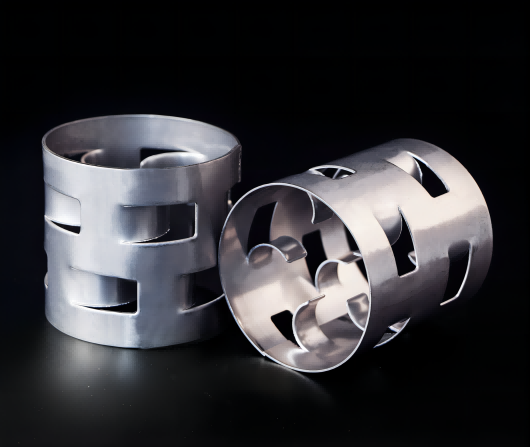
高性能メタルランダムパッキングメタルポールリング
ドイツのBASF社が発明した初代ランダムパッキングです。に ラシヒリングと比較して、最も重要な改善点は、2列のリングが増加したことです。 内側の小舌。液体とガスの流動性を促進し、タワーのパッキンの質量を向上させます。 転送パフォーマンス。  
High performance ceramic pall ring
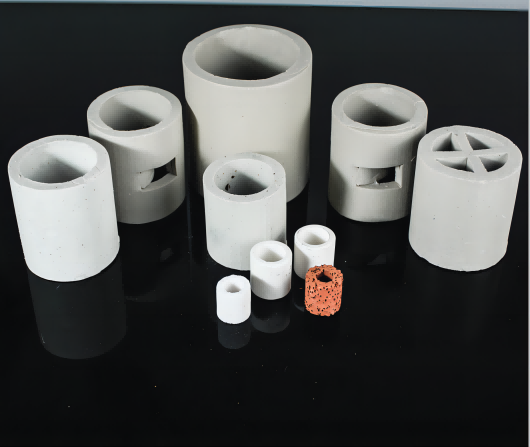
ランダムパッキングセラミックポールリング
ドイツのBASF社が発明した初代ランダムパッキングです。に ラシヒリングと比較して、最も重要な改善点は、2列のリングが増加したことです。 内側の小舌。液体とガスの流動性を促進し、タワーのパッキンの質量を向上させます。 転送パフォーマンス。  
metal cascade ring tower packing
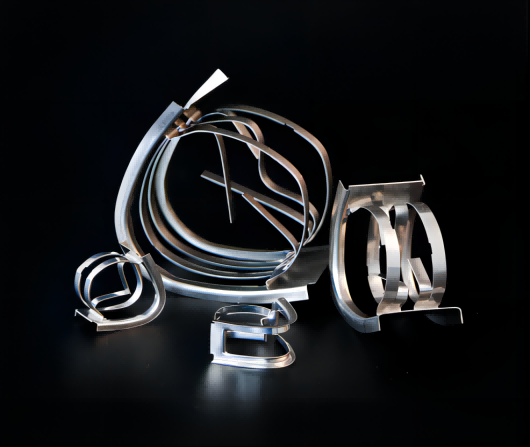
メタルインタロックスサドルリングタワーパッキン
このパックの形状がサドルに似ているため、 サドルリング または ベルリング。の 初期のサドルリングの素材はセラミックでした。実際のアプリケーションでは、ガスが流れるとき 上向きに進むと、液体はアークチャネルに沿って下向きに流れます。この運動方法は、 壁の流れの発生を直接減少させます。ただし、アーチ型の外部フレームも原因となります。 したがって、科学者は両端を長方形型に変更します。 接触面。この改善により、ブリッジングの発生が減少します。 
raschig ring
プラスチック製ラシヒリングタワーパッキン
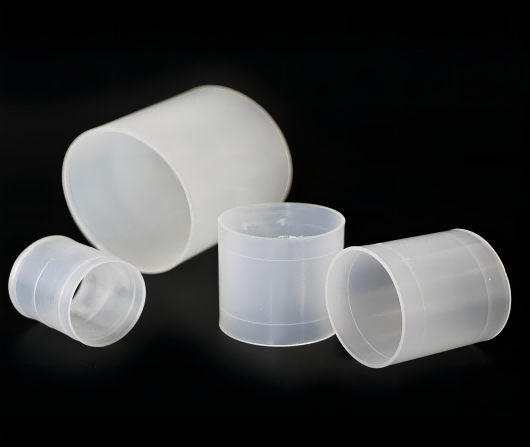
初期の開発です ランダムな梱包、その高さは外側と同じです 直径。 ラシヒリング ドイツの化学者フリードリヒ・ラシヒによって発明されました。 1914 年は、Fills HD の開発が科学的な軌道に入ったことも示しています。 ただし、実際の応用では「壁流、水路流など」 パックベッドでよく起こりました。 
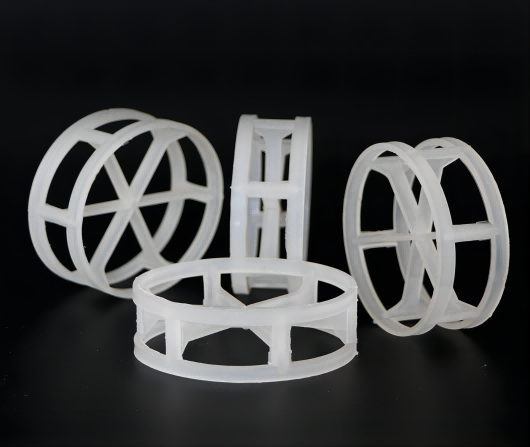
plastic snowflake ring tower packing
プラスチックスノーフレークランダムパッキングタワーパッキング
プラスチック製の雪の結晶リング 高効率です その形状から名付けられたタワーパッキン。比重が低く、比重が高い。 フラッディングポイント、大きな気孔率、高質量 転送ユニットの高さ。また、このランダムな パッキンは圧力損失が低いため、 バックプレッシャー現象を軽減し、 のエネルギー消費を最小限に抑えます。 剥離プロセス。プラスチック製のスノーフレークリングは非常に優れています。 経済的です。塩素中でも使用できます。 臭素の生成、空気の分離、 水冷プロセス。 
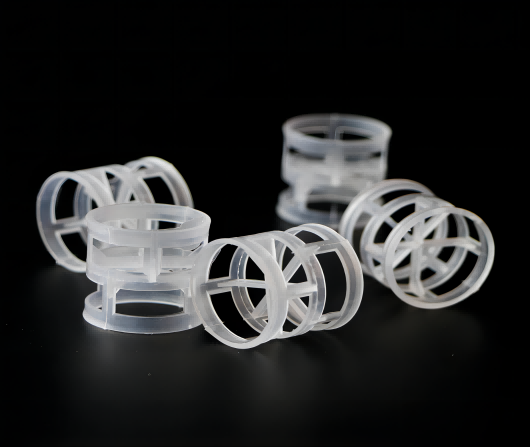
plastic flat ring
プラスチック製フラットリングタワーパッキン
平リング SMR(スーパーミニリング)、それは高度な ランダムな梱包 で の カラムタワーパッキン。カスケードミニリングと同様の構造となっており、 上下にフランジのない構造。パッキン強度を向上させることができます 内部ブレードの円弧を調整します。合理的なフロー構造、低圧力を備えています。確実な落下と高い物質移動性能。スーパーミニリングは大きく分けて2種類あり、 QH-1 および QH-2 と呼ばれます。 
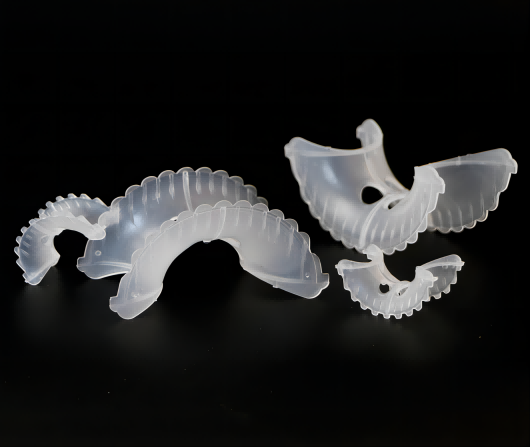
plastic super saddle ring tower packing
プラスチックスーパーサドルリングタワーパッキン
インタロックスリングの構造をベースに改良を加えたリングです。最大の改善点Intalox サドルの円弧プロファイルが波状またはギザギザのプロファイルに変化するということです。 その間、増やすアーク液体チャネルの中間位置にいくつかの細孔があります。これ 構造の変更によりパッキンの接触隙間が増加するだけでなく、改善効果も得られます。 充填層内の気体と液体の移動と分布
plastic ralu ring tower packing
プラスチックラルランダムパッキングタワーパッキング
改良されたポールリングです。主な改善点は回転率を高めることです と両端の壁の厚さ。分離効率を変えることなく、ベッドは 高さを低くすることができます。圧力損失を減らすために..
タワーの内部構造
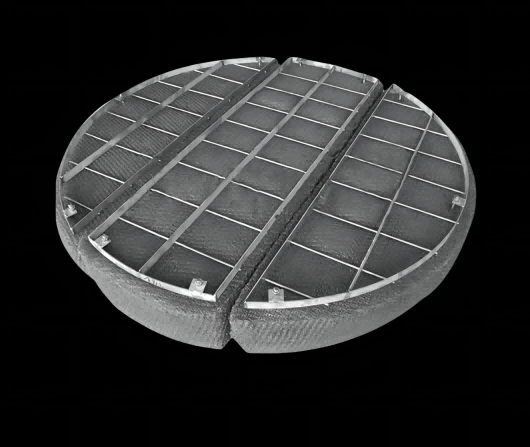
Knitted Wire Mesh Demister Wire Mesh Mist Eliminator
ニットワイヤーメッシュデミスターワイヤーメッシュミストエリミネーター
メッシュパッドデミスター、ベーン式ミストエリミネーターなどのミスト除去装置を網羅 混入液体を分離するための液体コアレッサーも提供されています。幅広い用途向けに、さまざまな金属、プラスチック、熱可塑性プラスチックの製品が用意されています。ミストエリミネーターは、充填塔の上部で、または 2 つの充填床間の収集トレイと組み合わせて使用されます。彼らは ガス流から液滴を分離します。カラムからの液滴排出および/または 1 つのステージから次のステージまでの液体の同伴 次は最小化されます。当社のミストエリミネーターは、特定の用途で最適なパフォーマンスを発揮するように設計されています。 
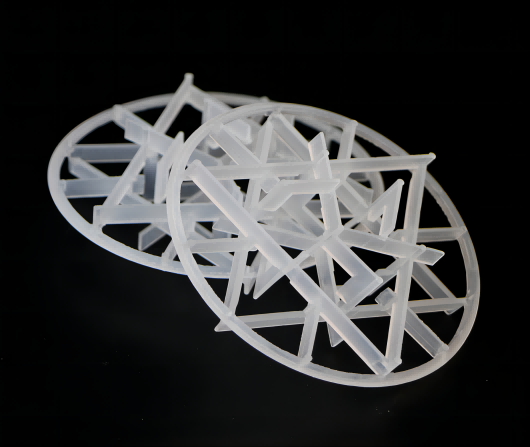
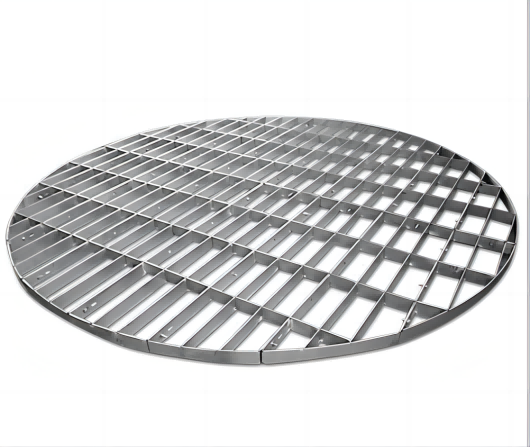
Support Grid Plate
蒸留塔ランダムパッキングサポートグリッドプレート
サポートグリッドプレート カラム内のガスと液体の流れができるだけ制限されないように構築する必要があります。これは、サポートグリッドと充填層の間の領域では特に重要です。不適切な充填サポートによってガスの流れが遮断される危険があります。これらの装置の主な機能は、タワーパッキングベッドを構造的に支持することです。サポート グリッドは、構造化されたパッキング プロセスとランダムなパッキング プロセスの両方で幅広い目的で機能します。 
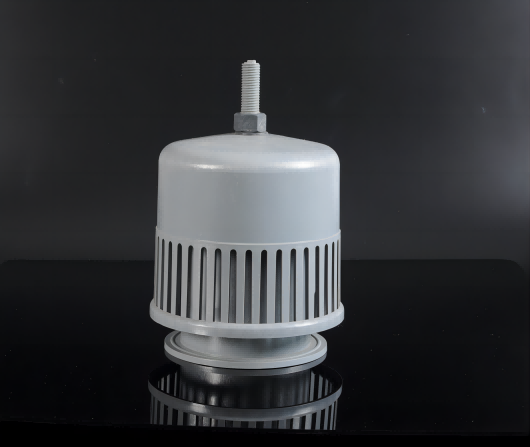
plastic bubble cap tray
化学工業用プラスチックバブルキャップ
バブルキャップトレイ 平らな穴あきプレートで、穴の周囲にライザー (パイプのようなもの) があり、ライザーの上に逆カップの形のキャップが付いています。通常、キャップには蒸気が出るスロットまたは穴が付いています。キャップは、ライザーとキャップの間に蒸気が通過できる空間ができるように取り付けられています。蒸気はライザーを通って上昇し、キャップのスロットを通過してキャップによって下方に向けられ、最終的にトレイ上の液体中を泡立ちます。蒸気は多くの通路を通過する必要があるため、他の従来のトレイに比べて圧力降下が大きくなり、容量が低下します。液体と泡は少なくとも堰の高さまたはライザーの高さに等しい深さまでトレイに満たされ、バブルキャップトレイに反応用途に使用できる独自の機能が与えられます。   
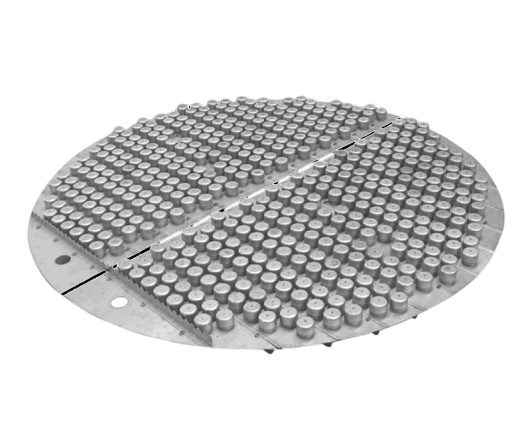
metal bubble cap tray
化学工業用金属バブルキャップトレイ
バブル キャップ トレイは主に、液体の充填量が非常に少なく、柔軟性が非常に高く、大きなターンダウン比が必要な用途で使用されます。 バブル キャップには、各穴にライザーまたは煙突が取り付けられ、ライザーを覆うキャップが付いています。キャップは、ライザーとキャップの間に蒸気が通過できる空間ができるように取り付けられています。蒸気は煙突を通って上昇し、キャップによって下方に向けられ、最終的にキャップのスロットから排出され、最終的にトレイ上の液体中を泡立ちます。   
化学工業用金属バブルキャップ
化学工業用金属バブルキャップ
バブルキャップトレイ 平らな穴あきプレートで、穴の周囲にライザー (パイプのようなもの) があり、ライザーの上に逆カップの形のキャップが付いています。通常、キャップには蒸気が出るスロットまたは穴が付いています。キャップは、ライザーとキャップの間に蒸気が通過できる空間ができるように取り付けられています。蒸気はライザーを通って上昇し、キャップのスロットを通過してキャップによって下方に向けられ、最終的にトレイ上の液体中を泡立ちます。蒸気は多くの通路を通過する必要があるため、他の従来のトレイに比べて圧力降下が大きくなり、容量が低下します。液体と泡は少なくとも堰の高さまたはライザーの高さに等しい深さまでトレイに満たされ、バブルキャップトレイに反応用途に使用できる独自の機能が与えられます。   
パックドタワーおよびカラム用のプラスチックハンプサポート
プラスチック こぶサポート (別名 梱包サポートグリッド または ベッドリミッター)は、 パックされた列 そして 蒸留塔重量を均等に分散し、充填材(ポールリング、ラシヒリング、構造化充填物など)が崩れたり、カラムの下部が詰まったりするのを防ぐように設計されています。プラスチックハンプサポートの主な特徴材料: 素材 PP(ポリプロピレン)、PVDF(ポリフッ化ビニリデン)、またはCPVC耐薬品性を重視して選定しました。デザイン: 高い オープンエリア (最適な場合は60~90%) 流体の流れ.関数:サポート 包装媒体の重量 破損を防ぐためです。保証 均一なガスと液体の分布.柱の下部にパッキングが落ちるのを防ぎます。耐腐食性: 適しています 酸性、アルカリ性、有機化学物質 環境。軽量で取り付け簡単: 腐食環境下でも金属サポートよりはるかに耐久性があります。アプリケーション1. 化学・石油化学産業以下の用途の蒸留、吸収、洗浄カラム:硫酸、硝酸、塩酸の処理。ガス処理(H₂S、CO₂除去)。製薬および農薬業界における溶媒回収。2. 水と廃水処理スクラバータワー 除去用 アンモニア、塩素、VOC.冷却塔 梱包サポートを最大限に活用 熱伝達効率.3. 大気汚染制御使用場所 排ガス脱硫(FGD)システム 保持する ランダムパッキング.臭気制御スクラバー 産業排出物用。4. 石油・ガス産業グリコール脱水塔 (天然ガス処理)。アミン甘味料ユニット (H₂SとCO₂を除去)。
その他
bio ball filter
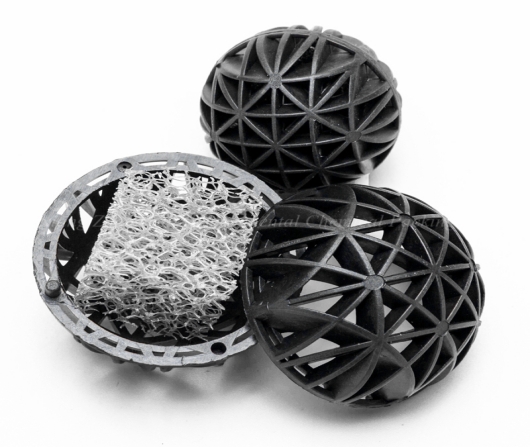
水処理用プラスチックバイオボールパッキン
イェーガー・トライによって発明された。一般的に言えば、大きな表面積がないことがトライパックの最大の利点です。リブ、ストラット、およびドリップロッドの独特の形状により、Tri-Packs タワー充填媒体に優れた湿潤特性が与えられ、ベッド全体に均一な液体分布を維持する能力が得られます。 物質移動の伝統的な理論では、表面積が大きいほど物質移動効率が上がると考えられてきました。場合によっては、過剰な表面積により気体と液体の接触が妨げられ、より高い圧力降下が発生する可能性があります。最後に、それはパッキングのチャンネルブロッキングにつながります。この新しい理解に基づいて、イェーガーはトライパックを発明しました。 基本的に、このパックは、充填床による液滴の連続形成による促進により、ガスとスクラビング液との間の表面収縮を最大限に提供します。エアストリッピング、脱気装置、スクラバーに最適なパッキンとして認められました。    
MBBR packing for water treatment
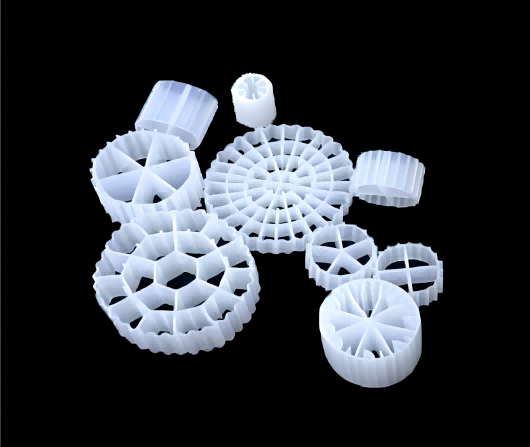
水処理用プラスチックMBBR
これは、1980 年代後半に科学技術大学のハルバード・デゴー教授によって初めて発明された廃水処理プロセスの一種です。MBBR システムは、曝気タンク (活性汚泥タンクに類似) と特殊なプラスチック担体で構成されています。バイオフィルムが成長できる表面を提供します。担体は水の密度(1 g/cm3)に近い密度の素材でできています。例としては、0.95 g/cm3 に近い密度を持つ高密度ポリエチレン (HDPE) があります。担体は曝気システムによってタンク内で混合されるため、流入廃水中の基質と担体上のバイオマスが良好に接触します。  
igel ball
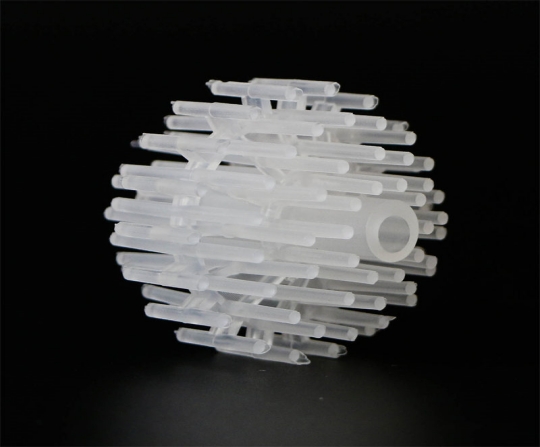
水処理用プラスチックアイゲルボール
イーゲルボール は一般的なバイオフィルター材料であり、主にポリプロピレンを原料として使用し、射出成形プロセスによってとげのある多針プラスチックボールに加工されます。小さな円筒形の本体がボール内に均一に分散され、蒸気と液体の分布点が増加し、蒸気と液体を完全に分散させることができます。      

Fxsino へようこそ

1998
会社 年に設立
  • 600
    0+

    専門職社員

  • 168
    0+

    協力国

  • 24*7
    24*7

    熱心なオンラインサービス

最新ニュース

ニュース
  • 032026-04
    Solving Five Major Separation Challenges: How Metal Structured Packing Unlocks Efficiency and Energy-Saving Potential for Your Chemical Plant
    Quick Summary:Facing challenges like high-purity separation requirements, massive energy consumption, equipment size constraints, corrosive media, and frequent process fluctuations? Traditional tower internals often fall short. This article directly addresses five core pain points in chemical plants, explaining how Metal Structured Packing, with its high theoretical stages, extremely low pressure drop, high capacity, excellent corrosion resistance, and wide operational flexibility, serves as a powerful tool for process upgrades and optimization. Ayrtter, based on extensive industry application experience, provides professional technical solutions to help you with precise selection, achieving a leap in separation efficiency and effective control of operational costs. "Our distillation column separation efficiency is always stuck at a bottleneck, product purity won't improve..." "Steam consumption is a bottomless pit, energy costs are suffocating..." "We want to expand capacity, but the plant footprint is fixed, a complete rebuild isn't realistic..." "Handling corrosive materials, the packing lifespan is short, maintenance costs are too high..." "With just a slight feed fluctuation, column operation becomes unstable, product quality is inconsistent..." These real voices from process engineers and production managers reveal common core challenges in chemical separation processes. When traditional trays or random dumped packing​ struggle to meet increasingly stringent efficiency and energy demands, Metal Structured Packing​ has emerged as a key technology for modern process industries to break through bottlenecks. This article focuses on five common engineering challenges, analyzing how metal structured packing provides systematic solutions Challenge One: How to Meet Stringent High-Purity Separation Requirements? In the production of fine chemicals, electronic chemicals, and pharmaceutical intermediates, product purity requirements are nearly苛刻, translating directly into extreme demands for the theoretical stage count​ and separation efficiency​ of tower internals. The solution from metal structured packing lies in its superior microstructure.​ Taking Ayrtter's AY-MSP350X​ model as an example, its regular corrugated channels create exceptionally uniform gas-liquid distribution, virtually eliminating maldistribution phenomena like "channeling" and "wall flow," allowing each theoretical stage to perform at its maximum potential. Compared to conventional random packing, metal structured packing can increase the theoretical stage count by over 30% at the same column height. This means: Either​ achieving higher product purity within the existing column height. Or​ significantly reducing column height to meet the same separation requirement, thereby lowering equipment investment and footprint. Challenge Two: How to Effectively Reduce Massive Separation Energy Consumption? Separation processes, especially distillation, are major "energy consumers" in chemical plants. The energy is primarily consumed in providing reboiler heat at the column bottom, and the column pressure drop is a key factor determining the reboiler temperature (and thus energy consumption). Metal structured packing is a natural "energy saver."​ Gas flows through its internal regular, smooth channels with minimal resistance. Data shows that at the same gas velocity, the pressure drop of metal structured packing is typically only 1/4 to 1/3 that of random packing. Lower pressure drop means:   For vacuum distillation, the bottom temperature can be reduced further, significantly lowering steam consumption and better protecting heat-sensitive materials. For atmospheric/pressure distillation, the low pressure drop allows operation at higher capacities or directly reduces overall reboiler energy consumption. In a refinery vacuum column retrofit case, switching to high-efficiency structured packing resulted in a 15-20% reduction in steam consumption​ with a very short payback period. Challenge Three: How to Achieve Capacity Expansion Within Limited Plant Space? Market opportunities are fleeting, but building new columns takes time and significant investment. How to tap the potential of existing equipment within the original framework is a practical challenge for many plants. The high capacity characteristic of metal structured packing makes this possible.​ Due to its excellent hydrodynamic performance, it can handle larger gas and liquid phase loads before reaching the flooding point. In actual capacity expansion revamps, by replacing with Ayrtter's high-capacity metal structured packing, it's often possible to achieve a 20%-40% increase in processing capacity without changing the column diameter. This is equivalent to gaining nearly the capacity of a new production line at the cost of an "internal column surgery," offering a very high return on investment. Challenge Four: How to Handle Corrosive Media and Harsh Process Environments? When processing acid gases, halides, or other corrosive systems, the long-term stable operation of equipment is a significant test. The advantage of metal structured packing lies in its diversity of materials and customizability. Ayrtter not only provides conventional 304, 316L stainless steel materials but can also supply packing manufactured from duplex steel, Hastelloy, or even titanium​ based on material characteristics. More importantly, we can apply special passivation treatments or functional coatings​ to the packing surface to further enhance its corrosion resistance, fouling resistance, or improve its wettability. This comprehensive protection from the "skeleton" to the "skin" ensures long service life and stable performance in harsh environments. Challenge Five: How to Adapt to Frequent Feed Fluctuations and Flexible Production? Modern plants often need to switch product grades or handle feedstocks with fluctuating compositions, requiring separation columns to have good operational flexibility. Metal structured packing maintains high separation efficiency over a wide range of operating loads.​ Compared to trays, it lacks distinct "weeping" or "entrainment"拐点; compared to some random packing, its efficiency decline curve with load is gentler. This means that when feed rate or composition varies within a certain range, metal structured packing can still ensure stable product quality, providing reliable support for flexible plant operations. Scientific Selection: From "Usable" to "Optimal" Recognizing the advantages of metal structured packing is only the first step. Achieving the leap from "usable" to "optimal" hinges on scientific selection. This requires comprehensive consideration of: Process Objectives: Is the goal ultimate purity (choose higher specific surface area models like 500Y), or maximum processing capacity (choose high-capacity models like 125Y/250Y)? Physical Properties: The corrosiveness, foaming tendency, and cleanliness of the material determine the choice of material and surface treatment. Operating Conditions: Vacuum, atmospheric, or high-pressure operation, continuous or batch production, all influence the final design. Ayrtter's technical team can provide professional process simulation support​ and customized design​ to ensure the selected packing perfectly matches your process flow, unlocking maximum value.   SEO TDK Suggestions Title (60 chars): Solve 5 Separation Challenges: Metal Structured Packing Efficiency Guide - Ayrtter Meta Description (280 chars): Struggling with low purity, high energy use, or capacity limits? Ayrtter explains how Metal Structured Packing solves 5 core chemical separation pain points. Get high efficiency, low pressure drop, corrosion-resistant solutions. Download our selection guide. Article Tags: Metal Structured Packing, Separation Efficiency, Distillation Energy Saving, Chemical Packing Selection, High Pressure Drop Solution, Corrosion Resistant Packing, Column Capacity Expansion, Process Optimization, Mass Transfer Equipment, Ayrtter Solutions   Structured Data (FAQPage Schema) Expert Commentary & Analysis:Currently, the application of metal structured packing has moved from单纯的 "performance replacement" into a new phase of "process empowerment." Its value is no longer confined to the column interior but is deeply integrated with the plant's overall energy efficiency management, flexible production, and carbon reduction goals. Under the "Dual Carbon" goals, the reliance of absorption/stripping columns in CCUS​ projects on high-capacity, low-pressure-drop​ packing is clear evidence. However, product performance in the market varies, and the real gap lies in the deep understanding of the process and precise engineering conversion capability. Ayrtter's practical experience shows that a successful project begins with accurately dissecting the client's pain points and succeeds through the deep integration of Computational Fluid Dynamics analysis, materials science, and manufacturing processes. In the future, suppliers capable of providing integrated solutions from simulation, custom production to performance guarantee​ will play a central role in driving the industry's efficiency revolution.
    続きを読む
  • 282026-03
    Case Study: Solving Chronic Tower Downtime & High Energy Costs in a Sulfuric Acid Plant with Ceramic Super Saddle Rings
    Quick Summary:A major sulfuric acid producer in China faced persistent operational challenges: excessive pressure drop in drying/absorption towers and frequent, costly shutdowns due to packing degradation. After retrofitting with Ayrtter's Ceramic Super Saddle Rings, the plant achieved a ~55% reduction in system pressure drop, extended packing service life beyond 5 years, and significantly lowered energy consumption. This data-driven case study details the problem, solution, and verified results.   The Operational Challenge: Efficiency Loss in a Corrosive Environment A large-scale sulfuric acid production facility in Eastern China, with an annual capacity exceeding 500,000 tons, was grappling with chronic inefficiencies in its core process units: the drying and absorption towers. The traditional ceramic random packing inside these towers was failing to perform reliably under the severe conditions of high-temperature, concentrated sulfuric acid. The plant's engineering team was besieged by three interconnected problems: Unsustainable Energy Costs:​ The existing packing created high flow resistance, leading to excessive system pressure drop. This forced the plant's large blower and fan systems to operate at higher power draws, resulting in steep and rising electricity costs. The Cycle of Unplanned Downtime:​ Subjected to corrosive attack and thermal stress, the conventional packing deteriorated rapidly, suffering from breakage and fines generation. This caused channeling, further increased pressure drop, and ultimately necessitated a full packing replacement every 2-3 years. Each unplanned shutdown meant significant production loss and high maintenance costs. Unpredictable Performance:​ As the packing degraded, the tower's separation efficiency became unstable. This volatility threatened consistent product quality and prevented the plant from operating safely at its designed, optimal capacity. Finding a packing solution that could withstand the extreme environment while fundamentally improving hydraulic performance was critical. Options like Metal Pall Rings​ were unsuitable due to corrosion, and plastic materials could not handle the operating temperatures. The Engineered Solution: A Data-Backed Decision for Ceramic Super Saddle Rings Following a comprehensive technical review, the plant partnered with Ayrtter. The analysis conclusively identified Ceramic Super Saddle Rings​ as the optimal solution, based on three decisive advantages perfectly aligned with the application's demands: Designed for Hydraulic Superiority:​ The unique saddle shape with internal arches and a textured surface prevents nesting and creates a bed with a high void fraction. This geometry is engineered to minimize gas flow resistance, directly targeting the root cause of high energy consumption. Built for Severe-Service Longevity:​ Manufactured from a high-alumina ceramic formulation, these rings offer >99.6% resistance to sulfuric acid​ and excellent thermal shock resistance. This material integrity promised the durability needed to break the costly cycle of frequent packing replacement. Validated by Proven Performance:​ Ayrtter​ provided documented case histories and performance data from similar sulfuric acid applications, giving the client confidence that the theoretical benefits would translate into tangible, real-world results. Implementation: A Measured, Pilot Retrofit Approach The plant adopted a cautious, data-focused strategy. One critical drying tower was selected for a pilot retrofit. During a scheduled maintenance outage, the old ceramic packing was replaced with Ayrtter 50mm Ceramic Super Saddle Rings. After recommissioning, the team meticulously monitored key performance indicators for over 12 months. The collected operational data, summarized in the table below, provided clear and compelling evidence of the solution's effectiveness. A Clear Comparison: Documented Performance Metrics Performance Metric Before Retrofit (Legacy Ceramic Packing) After Retrofit (Ayrtter Ceramic Super Saddle Rings) Result Achieved Average System Pressure Drop ~2,800 Pa ~1,260 Pa ~55% Reduction Projected Packing Service Life 24-36 months >60 months(and counting) >100% Increase Potential Tower Throughput Capacity Design Baseline Up to 115% of baseline Up to 15% Increase Operational Stability Declined over time, required close monitoring Stable, predictable performance profile Significantly Enhanced Reliability The Engineering Rationale Behind the Success The outstanding results were a direct consequence of the Ceramic Super Saddle Ring's design directly addressing the failure modes of the previous packing. Solving the Pressure Drop Problem:​ The open, high-void-fraction bed structure​ was crucial. By providing a less restrictive path for process gas, it directly translated into lower energy consumption. The ~55% pressure drop reduction​ allowed the blower to operate at a significantly lower power draw for the same gas flow. Ending the Degradation Cycle:​ The high-alumina ceramic​ used by Ayrtter​ is fired at extreme temperatures, creating a dense, glass-like surface that is virtually impervious to concentrated sulfuric acid. This solved the core issues of corrosion, erosion, and structural failure that previously dictated the short packing lifespan. Unlocking Process Potential:​ The superior geometry not only reduces pressure drop but also enhances liquid distribution and gas-liquid interfacial renewal. This improves mass transfer efficiency in the drying and absorption processes, contributing to more stable operation and the potential for increased throughput. Broader Impact: Benefits Beyond the Metrics Beyond the quantifiable KPIs, the retrofit delivered significant strategic advantages: Predictable Maintenance Scheduling:​ With extended packing life and stable performance, the plant can now schedule maintenance outages years in advance, optimizing production planning and resource allocation. Reduced Operational Risk:​ The elimination of unexpected performance decay or sudden pressure surges has made the production line safer and more controllable. Clear & Compelling ROI:​ The combination of energy savings, avoided production losses from downtime, and extended asset life delivered a rapid and unambiguous return on investment, building a strong case for retrofitting other towers in the plant. Expert Commentary & Analysis:This case study validates a core principle for capital-intensive, severe-service industries: operational reliability is the primary driver of total cost of ownership (TCO).​ While the client's initial focus was on reducing energy costs (addressed by the 55% lower ΔP), the switch to high-performance Ayrtter Ceramic Super Saddle Rings​ delivered systemic TCO benefits: capital preservation (doubled service life), risk mitigation (eliminated unplanned stops), and latent capacity (increased throughput potential). In processes like sulfuric acid production, where the operating environment is fixed, the choice of internal components is the largest variable affecting plant economics. This project demonstrates that specifying advanced, application-engineered materials is not merely a procurement decision, but a strategic investment in plant throughput, efficiency, and long-term asset value. Could Your Operation Achieve Similar Results? If your processes involve corrosive media, high temperatures, or if you are combating rising energy costs and unplanned maintenance cycles, the solution detailed here may be directly applicable. Your Next Step with Ayrtter Request a Technical Assessment:​ Submit your tower specifications and process conditions to Ayrtter's engineering team​ for a confidential feasibility and benefit analysis. Review Product Specifications:​ Access detailed technical data sheets and material certification reports for Ayrtter's Ceramic Super Saddle Rings​ in our product documentation center. Discuss a Pilot Project:​ Contact us to explore structuring a controlled, low-risk retrofit in a single tower to validate performance gains with your own data. SEO & Publishing Data 1. SEO TDK Title:​ Ceramic Super Saddle Ring Case Study: Sulfuric Acid Plant Saves Energy | Ayrtter Meta Description:​ Real-world case study: A China sulfuric acid plant used Ayrtter's Ceramic Super Saddle Rings to cut energy costs by 55% & extend packing life. Data from a leading supplier & manufacturer. 2. Tags Ceramic Super Saddle Ring, Case Study, Sulfuric Acid Plant, Tower Packing, Corrosion Resistant Packing, Energy Saving, China Packing Manufacturer, Random Packing, Absorption Tower, Ayrtter 3. Structured Data (FAQPage Schema) { "@context": "https://schema.org ", "@type": "FAQPage", "mainEntity": [ { "@type": "Question", "name": "What was the main problem faced by the sulfuric acid plant before the retrofit?", "acceptedAnswer": { "@type": "Answer", "text": "The plant struggled with chronically high pressure drop in its drying/absorption towers, leading to excessive energy consumption. The existing ceramic packing also degraded quickly in the hot, concentrated acid, causing unplanned shutdowns for replacement every 2-3 years." } }, { "@type": "Question", "name": "What measurable results were achieved after installing Ayrtter's Ceramic Super Saddle Rings?", "acceptedAnswer": { "@type": "Answer", "text": "The retrofit delivered a approximately 55% reduction in system pressure drop, dramatically lowering energy costs. The packing's service life extended beyond 5 years, eliminating frequent downtime. The tower also demonstrated potential for increased throughput, and operational stability improved significantly." } }, { "@type": "Question", "name": "Why are Ceramic Super Saddle Rings particularly effective for sulfuric acid service?", "acceptedAnswer": { "@type": "Answer", "text": "Their unique open saddle geometry creates a high-void bed for low pressure drop and efficient mass transfer. Manufactured from high-alumina ceramic, they offer superior corrosion resistance (>99.6%) and thermal stability, making them exceptionally durable in concentrated sulfuric acid at high temperatures." } }, { "@type": "Question", "name": "Can Ayrtter provide a similar technical analysis for our application?", "acceptedAnswer": { "@type": "Answer", "text": "Yes. Ayrtter's engineering team can review your specific process parameters and tower data to provide a tailored analysis and projected performance benefits for a retrofit using our high-performance Ceramic Super Saddle Rings or other packing solutions." } } ] }
    続きを読む
  • 092025-09
    新疆石油化学産業博覧会が成功裏に終了しました。
    9月4日から6日まで、2025年新疆石油化学産業博覧会が新疆国際会議展示センターで盛況のうちに閉幕しました。万澤時報は「デジタルカーボンニュートラル」製品・ソリューションプロバイダーとして、同博覧会で自社のコアテクノロジーマトリックスを披露し、カーボンニュートラルの目標と産業実践の橋渡しを行いました。今回の博覧会のテーマは「化学産業チェーンの強化と新たな高品質生産性の育成」です。今回の博覧会は石油化学産業のグリーンアップグレードとデジタルトランスフォーメーションに焦点を当て、フォーチュン500企業26社を含む400社以上の出展者が3万平方メートルの展示面積で集結し、30以上の国と地域から企業が参加しました。展示会期間中、同社の代表者は新疆ウイグル自治区および国内各地の石油化学企業や業界の専門家と綿密な交流を行い、デジタル手段を通じて業界の問題点を解決する方法を共同で模索した。
    続きを読む

伝言を残す

伝言を残す
当社の製品に興味があり、詳細を知りたい場合は、ここにメッセージを残してください。できるだけ早く返信させていただきます。
送信

製品

whatsApp

コンタクト